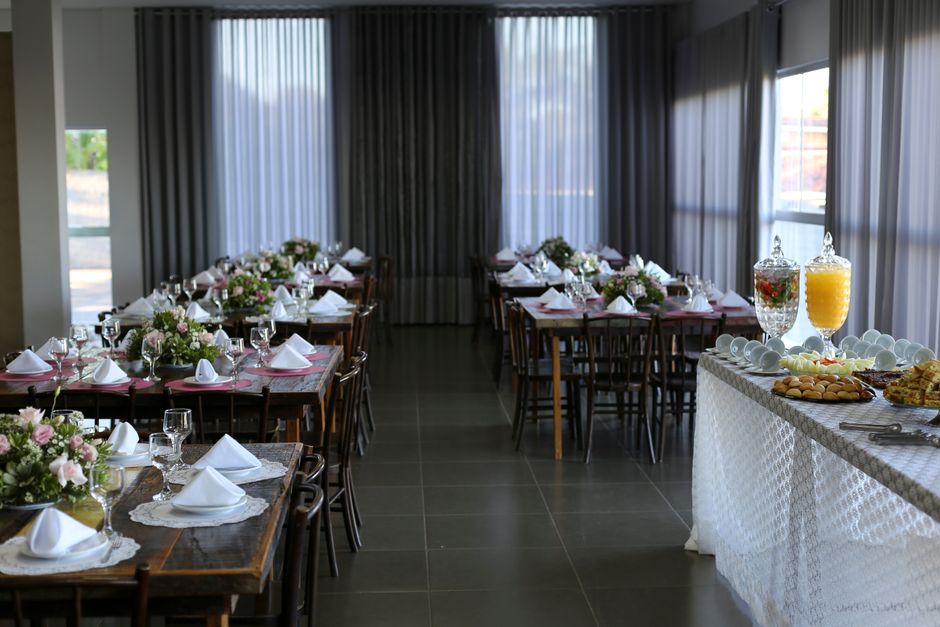
Guide to preparing a venue for fresh floral delivery on the day
Posted on 02/10/2026
Guide to Preparing a Venue for Fresh Floral Delivery on the Day
If you've ever watched floral boxes arrive while a venue team is still moving chairs, you'll know the feeling: beautiful chaos. A good guide to preparing a venue for fresh floral delivery on the day saves time, protects the flowers, and stops that last-hour scramble that nobody really enjoys. Whether you're planning a wedding, a corporate event, a funeral tribute, or simply a special celebration, the difference between a smooth floral drop and a stressful one usually comes down to preparation. Not glamour. Preparation.
This article walks you through the practical side of venue readiness: what should be in place before the florist arrives, how fresh flowers are handled on the day, common risks to watch for, and the small details that make a surprising difference. You'll also find a checklist, a simple comparison table, and a real-world example so you can picture the process properly, not just read about it in theory.
Table of Contents
- Why Preparing the Venue Matters
- How Fresh Floral Delivery on the Day Works
- Key Benefits and Practical Advantages
- Who This Is For and When It Makes Sense
- Step-by-Step Guidance
- Expert Tips for Better Results
- Common Mistakes to Avoid
- Tools, Resources and Recommendations
- Law, Compliance, Standards, or Best Practice
- Options, Methods, or Comparison Table
- Case Study or Real-World Example
- Practical Checklist
- Conclusion
- Frequently Asked Questions
Why Preparing the Venue Matters
Fresh flowers are fragile in a very practical sense. They dislike heat, direct sun, cramped corners, awkward lifts, and last-minute changes. A venue that is not ready can turn a tidy delivery into a slightly panicked relay of "Can we put these here?" and "Where did the vase stand go?" The flowers will still arrive, of course, but they may not arrive in the best condition for display.
When the venue is properly prepared, the florist can work faster and more accurately. That matters because fresh blooms are at their best when they spend less time waiting around in boxes or warm loading bays. It also matters for the event schedule. If a wedding ceremony starts in forty minutes, or a reception room is being turned over after lunch, there isn't much room for faffing about. Let's face it, nobody wants the bouquet table arranged while guests are already walking in.
Preparation also helps protect your investment. Flowers for events often represent a meaningful part of the budget, and the venue side of the process is the bit many people underestimate. A clear access route, a clean staging area, and a named contact on-site can make the difference between a calm delivery and one where the driver circles the building twice. A small thing? Not really. It's usually the small things.
Expert summary: The best floral delivery days are rarely the fanciest. They are the best organised. Give the florist clear access, a safe place to stage arrangements, and a realistic timeline, and the whole setup gets easier immediately.
If you're ordering through a local florist, it also helps to understand the delivery process and timing expectations in advance. Pages like delivery information and flower care guidance can be useful background reading before the big day, especially if you want to align the venue plan with how the flowers should be handled once they arrive.
How Fresh Floral Delivery on the Day Works
On the day of delivery, the florist or driver usually brings the arrangements in the most stable form possible, ready for positioning, hydration, or final styling. Depending on the event, this might mean boxed bouquets, water-packed stems, vase arrangements, table pieces, tribute designs, or hand-tied bouquets that need immediate placement. The venue's job is to make that handover smooth.
The process usually follows a fairly simple rhythm. The florist arrives. Someone receives the delivery. The arrangements are checked against the order. Access to the event area is confirmed. Then the floral team sets up or hands over the flowers in the agreed location. Simple on paper, a bit more involved in a live venue with other suppliers, guests, catering, music, or decor being installed at the same time. That's where pre-planning earns its keep.
Fresh flowers are also sensitive to timing. If they are delivered too early, they may sit in warmth or be moved several times. Too late, and the setup can feel rushed. The sweet spot depends on the type of event, the room temperature, and what else is happening on site. For a wedding, for example, bridal bouquets may need to arrive earlier than table arrangements. For a corporate reception, centrepieces might be placed after seating but before the first guests enter. Different rhythm, same principle.
In practical terms, venue preparation is about three things: access, environment, and coordination. Access means the flowers can get in without hassle. Environment means the room is suitable for fresh blooms. Coordination means everyone knows who is doing what, and when. Nothing magical. Just good sequencing.
Key Benefits and Practical Advantages
Good venue preparation does not just make life easier for the florist. It improves the whole event. You get better presentation, fewer delays, less handling damage, and a stronger chance that flowers will look fresh for the full duration of the occasion. That last point matters more than people sometimes realise. Flowers can look perfect at 10 a.m. and tired by 3 p.m. if they've been left in the wrong spot.
- Cleaner presentation: Arrangements are placed where they were intended, not squeezed into a temporary corner.
- Less damage: Stems, petals, and delicate petals are less likely to be bruised during rushed handling.
- Better hydration control: Water-fed arrangements and foam-based designs can be installed correctly straight away.
- Smoother event flow: Other suppliers are not tripping over floral boxes and buckets.
- Less stress for the host: You are not answering ten questions at once while trying to look calm. Which, to be fair, is underrated.
There's also a visual benefit. When venue staff know where arrangements are going and what each space is for, the flowers tend to look more balanced and intentional. A ceremony arch, dining tables, entrance pedestals, or memorial tributes all rely on the room layout being understood in advance. It sounds obvious. In practice, it gets overlooked.
For customers choosing between floral styles or budgets, it helps to browse the types of arrangements ahead of time. Collections such as all flowers, luxury flowers, or best sellers can give a useful sense of the scale and handling needs of different designs.
Who This Is For and When It Makes Sense
This guide is for anyone responsible for a venue where flowers need to arrive and look right first time. That includes wedding coordinators, private hosts, event managers, funeral directors, church or community venue teams, restaurant managers, office administrators, and families arranging flowers for a memorial or celebration of life.
It makes sense whenever timing is tight or the floral display matters to the atmosphere of the event. So, really, most of the time. A small birthday lunch at home may only need a simple vase arrangement. A hotel wedding breakfast with table centres, buttonholes, and a bridal bouquet needs much more orchestration. The bigger the event, the more useful preparation becomes.
This is especially relevant in busy London venues, where access can be fiddly, loading bays may be shared, and other suppliers are often on the same clock. If you're working in or around SW6, for example, a well-planned floral delivery can save a lot of back-and-forth through reception desks, side entrances, and lift bookings. It sounds minor until it isn't.
It also makes sense for anyone ordering sensitive designs like sympathy arrangements or wedding flowers where presentation and condition matter deeply. When emotions are involved, the day feels heavier if anything goes wrong. Flowers should not be one more thing to worry about.
Step-by-Step Guidance
Here is the practical side, step by step. You do not need a massive production meeting. You do need a clear plan.
1. Confirm delivery timing with the florist
Start with the delivery window, not just the date. Ask when the flowers are likely to arrive, whether the florist needs access to a particular entrance, and whether any arrangements must be installed before other suppliers finish their work. If the venue has a hard handover time, say so early. Better a frank conversation than a surprised one.
2. Name a single point of contact
Choose one person who will receive the flowers or coordinate the handover. That could be the venue manager, wedding planner, PA, or a family member with a steady head and a charged phone. Too many people giving directions can slow everything down. One contact. Nice and simple.
3. Clear the access route
Make sure the florist can get from the vehicle to the display area without obstacles. Move bins, luggage trolleys, stacked chairs, cables, or leftover cleaning equipment. In older buildings, check narrow corridors and lifts in advance. A lovely bouquet can become awkwardly unmanageable when it has to navigate three doors and a staircase.
4. Prepare the staging space
Set aside a flat, clean area for unpacking and arranging the flowers. It should be out of direct heat and away from busy foot traffic if possible. A side room, prep table, or quiet corner near the event space often works well. Avoid placing arrangements near radiators, open windows, kitchen heat, or strong air-conditioning vents. Flowers are not fans of drama.
5. Check room conditions
Fresh flowers generally prefer cool, stable conditions. If the room is already hot from lighting or busy kitchens, tell the florist. If there will be candlelight, stage lighting, or sunlight from large windows, that may affect where flowers should go. Even a few degrees and a bit of direct sun can matter more than people think.
6. Confirm table plans or layout marks
If the flowers are going onto dining tables, ceremony chairs, plinths, or memorial stands, make sure the layout is agreed before delivery arrives. A printed floor plan is very helpful. So is a quick photo of the room if the florist has not visited in person. It saves the "I thought this was table six" moment. Truth be told, that moment is common.
7. Check water and containers
For vase arrangements or flowers needing hydration, make sure there is access to water and enough clean containers if the florist expects to refresh stems or top up displays later. If the venue does not allow open water in certain areas, that needs to be known before delivery day. A dry table for a dry arrangement is one thing; a thirsty bouquet on a hot afternoon is another.
8. Coordinate with other suppliers
Flowers should not compete with candles, catering equipment, AV setup, or chair dressing. If possible, build floral installation into the wider event timeline so there is a proper window for placement. For weddings in particular, florals often need to be in after major setup but before guest arrival. The gap can be narrow, so coordination helps.
9. Inspect and confirm
When the flowers arrive, check quantities, condition, and placement notes promptly. If something looks wrong, raise it right away while the florist is still there. Most issues are easier to solve on the spot than an hour later when everyone has moved on and forgotten who said what.
10. Finish with a final visual check
Step back and look at the room as a guest would. Are the focal flowers visible? Are there any stray buckets, labels, or packing materials left behind? Are the main pieces balanced across the space? A two-minute walk-through can save a surprisingly awkward photo later.
Expert Tips for Better Results
In our experience, the best floral setups are usually the ones where the venue and florist talk like adults before the day, not during the chaos of arrival. A few expert habits make things much smoother.
- Share photos of the space in advance: Even a quick phone photo helps the florist judge scale, light, and access.
- Use labels for named tables or zones: For events with many arrangements, a simple label system avoids mix-ups.
- Keep flowers away from fruit bowls and heat sources: Ripening fruit can shorten vase life, and heat speeds wilting.
- Have a backup person available: Someone always gets delayed. Having one extra contact stops the handover stalling.
- Plan for post-delivery care: If the flowers need to stay fresh for many hours, ask who will mist, water, or reposition them later.
Another quiet win is to decide where packaging will go after unpacking. Boxes, paper, tape, and transport sleeves are easy to ignore in the moment, but they make a room look unfinished. A discreet bin or storage point avoids that mid-event clutter.
If the event is a wedding, ask whether certain items should be delivered alongside the flowers. You may find it useful to review related products like wedding flowers, table arrangements, or buttonholes so the delivery plan covers the whole floral picture, not just the bouquets.
Common Mistakes to Avoid
Most floral delivery problems are predictable, which is frustrating and comforting at the same time. You can usually avoid them if you know what to watch for.
- Leaving access unclear: "Just come to the venue" is not enough if there are multiple entrances or tight loading restrictions.
- Delivering too early: Early can be helpful. Too early can be a storage problem.
- Not checking room temperature: Hot rooms and flowers do not get along.
- Forgetting the final layout: If no one knows where the pieces go, placement becomes guesswork.
- Mixing floral setup with guest arrival: This is how people end up stepping around boxes in heels. Not ideal.
- Not assigning ownership: If everyone thinks someone else is handling delivery, nobody is.
- Ignoring aftercare: Some arrangements need water, repositioning, or cooling once installed.
One particularly common oversight is assuming the florist can improvise perfectly on arrival. They can adapt, yes. But improvisation has limits. If the venue suddenly changes the table plan, or the ceremony room is still being used by another supplier, even a highly experienced florist will have to slow down and work around it.
Another small but real issue: forgetting how much space flower packaging takes up before it is removed. A few dozen arrangements in boxes can fill a room fast. It always looks manageable until the van door opens.
Tools, Resources and Recommendations
You do not need a warehouse of equipment to prepare a venue properly. A few sensible items and documents go a long way.
| Item | Why it helps | Best for |
|---|---|---|
| Printed floor plan | Shows where arrangements should be placed | Weddings, conferences, larger venues |
| Access notes | Prevents confusion over entrances, lifts, or parking | Hotels, city venues, listed buildings |
| Clean staging table | Gives the florist a safe unpacking area | All events |
| Bin or packaging storage point | Keeps boxes and wrapping out of sight | Receptions, memorial rooms, dining spaces |
| Water access | Supports hydration and refreshes if needed | Vase arrangements, long events |
| Mobile phone contact list | Helps if the delivery timing shifts | Any event with moving parts |
It also helps to know what you have ordered, because different flower types and designs have different handling needs. You can browse useful ranges such as flowers in a vase, roses, lilies, or mixed colours to get a better sense of what the venue may need to accommodate.
If you are arranging flowers for a more formal or sensitive occasion, products such as sympathy flowers or funeral flowers may also require more careful placement, quieter access, or earlier coordination with the venue team.
Law, Compliance, Standards, or Best Practice
There is not usually a special law for flower delivery setup itself, but venues do have wider duties around safe access, staff coordination, and guest wellbeing. In the UK, the practical expectation is that work areas should be reasonably safe and that suppliers know the site rules they are working under. That may include loading access, fire exits, lifting restrictions, or venue-specific delivery windows.
Best practice is to follow the venue's own procedures, use agreed entrances, and avoid blocking routes or emergency exits. If you are planning a large floral installation, especially with stands, plinths, tall arrangements, or water containers, it is sensible to check with the venue team in advance about what is permitted. Some locations have strict rules around floor protection, weight limits, candles, or where temporary items can be placed.
For event teams in older London buildings or shared commercial spaces, the safest approach is simply to ask early and document the plan. That is usually enough. Nobody wants a last-minute argument in a hallway over whether a doorway is technically wide enough. Been there, not fun.
Florists and venues should also be aware of general good practice around manual handling and safe working. If you expect heavy buckets, large tribute pieces, or multiple boxes, have a clear route and enough people to move items carefully. Fresh flowers are delicate, but the boxes and containers can still be awkward.
Options, Methods, or Comparison Table
There is more than one way to prepare a venue for fresh floral delivery. The right method depends on the size of the event, the type of arrangements, and how much support the venue can give.
| Method | What it looks like | Best for | Trade-off |
|---|---|---|---|
| Venue-led setup | Venue staff receive and place flowers using instructions | Simple events, familiar spaces | Less florist control on final presentation |
| Florist-led installation | Florist enters, installs, and fine-tunes arrangements | Weddings, premium events, complex layouts | Needs clear access and more coordination |
| Hybrid handover | Venue receives delivery, florist attends later for final styling | Multi-supplier days | Requires careful timing and a safe holding area |
For most people, the hybrid or florist-led method gives the best result. If the flowers are significant to the look of the event, the florist should ideally be able to place them where they will be seen and photographed best. A venue-led setup can work fine for straightforward deliveries, especially where the team is used to handling flowers and has a proper staging space. It just depends on how much precision you need.
Case Study or Real-World Example
Here's a simple example from a typical London event scenario. A small wedding reception in SW6 had ceremony flowers, dining table posies, and two statement arrangements for the entrance. The venue had limited unloading space, and another supplier was still setting up the sound system. Nothing unusual, really.
Because the couple and venue manager had agreed the delivery window the day before, the florist arrived to a clear side entrance, a reserved prep table, and a staff member who knew exactly where each piece was going. The table plan was printed and left on the desk. Fresh water was available for vase arrangements, and the packaging bin was already set aside. The whole floral delivery took far less time than it would have if people were deciding things on the spot.
What made the difference was not a bigger budget or a fancier design. It was the venue preparation. The florist could focus on placement, the venue team could focus on guests, and the couple got to walk into a room that looked finished instead of half-built. That is the ideal outcome, and honestly it is more achievable than many people think.
A similar approach works for memorial or sympathy flowers too. If the venue knows which entrance is appropriate, where the tribute will be placed, and who will receive it, the handover is calmer and more dignified. Sometimes that quiet efficiency matters more than anything else.
Practical Checklist
Use this checklist on the day, or the day before if you want to be ahead of the game.
- Confirm the delivery time window with the florist
- Nominate one person to receive the flowers
- Share the exact venue address and access route
- Check whether there is a loading bay, lift, or side entrance
- Clear the staging area of clutter and cleaning equipment
- Prepare a clean table or surface for unpacking
- Make sure the room temperature is suitable for fresh flowers
- Keep flowers away from radiators, direct sun, and heat vents
- Have the floor plan or placement notes ready
- Coordinate the delivery around other suppliers
- Check the flowers on arrival for condition and quantity
- Remove packaging promptly and store it out of sight
- Do a final visual sweep of the room before guests arrive
If you are working on a bigger event, add one more thing: a backup contact who can step in if the main person is delayed. Small bit of insurance. Worth it.
Conclusion
Preparing a venue for fresh floral delivery on the day is really about reducing friction. Clear access, a sensible room setup, and good communication let the flowers do what they were meant to do: lift the space, support the mood, and make the occasion feel considered. You do not need perfection. You do need a plan.
The best results usually come from a calm, realistic approach. Confirm timing, clear the route, protect the flowers from heat and clutter, and make sure one person is in charge of the handover. Do that, and everything gets easier. Not effortless, maybe. But easier. And on a busy event day, that counts for a lot.
If you are still choosing arrangements or comparing styles, exploring the right floral range early can help you plan the venue setup properly too. The more you understand what is arriving, the better the room can be prepared for it.
Get a free quote today and see how much you can save.
Frequently Asked Questions
How early should fresh flowers be delivered to a venue?
It depends on the event and the room conditions, but the delivery should usually be timed so the flowers are installed close enough to the event to stay fresh, yet early enough for proper setup. Weddings and larger events often need a wider window than small private gatherings.
What should a venue prepare before flower delivery arrives?
The venue should prepare access, a clean staging area, a named contact person, and a clear plan for where each arrangement will go. If water, tables, or storage space are needed, those should be ready too.
Do fresh flowers need to be kept cool on the day?
As a general best practice, yes. Fresh flowers usually last better in cool, stable conditions away from direct heat, sunlight, and vents. You do not need a refrigerated room for every event, but avoid warm corners and sunny windows.
Can the venue staff place the flowers instead of the florist?
They can, especially for simple deliveries, but the florist usually gives the best result when they handle placement or at least oversee it. For complex arrangements, a florist-led setup is usually safer and more accurate.
What happens if the venue is not ready when the flowers arrive?
If the venue is not ready, the flowers may need to wait in a vehicle, a hallway, or a temporary holding area, which is not ideal. This can affect freshness and increase the chance of damage or confusion during setup.
How do you coordinate flowers with other suppliers?
Build the floral delivery into the wider event timeline and share it with the other suppliers involved. The key is to avoid clashes with catering, sound checks, chair setup, or guest arrival.
What is the best place in a venue for flower staging?
A clean, flat, cool area away from heavy foot traffic is usually best. A side room, prep table, or quiet corner often works well. Avoid spots near heat, bright direct sun, or busy service routes.
Are there special considerations for wedding flowers?
Yes. Wedding flowers often need tighter timing, more specific placement, and better coordination with photographers, registrars, and venue staff. Bouquets, buttonholes, table arrangements, and entrance displays may all arrive at different moments.
How should sympathy or funeral flowers be handled differently?
These arrangements often require quieter access, earlier coordination, and more careful placement because the setting is more sensitive. Clear instructions and a respectful handover are especially important.
What if the delivery entrance is hard to find?
Give the florist exact access notes in advance, including side doors, loading bays, reception desks, or postcode-specific quirks. A quick phone call before arrival can prevent a lot of wandering about.
Do I need a printed floor plan for flower delivery?
It is not always essential, but it helps a lot for larger venues or events with multiple arrangements. A printed plan, even a simple one, reduces guesswork and speeds up setup.
How can I keep flowers looking fresh for longer after delivery?
Keep them out of heat, top up water where appropriate, and avoid moving them more than necessary. If the event runs for many hours, ask the florist whether any aftercare is needed during the day.
Is venue preparation different for corporate events?
Usually yes, a little. Corporate events often need clean branding alignment, tighter schedules, and more formal handovers at reception or conference spaces. The principles are the same, but timing and presentation can be stricter.
What is the simplest way to avoid delivery-day stress?
Confirm the time, clear the space, appoint one contact, and keep the florist informed if anything changes. That simple structure removes most of the chaos before it starts.