How to choose the right florist for your wedding across the UK
Posted on 16/09/2026
Choosing wedding flowers sounds simple until you're actually doing it. Suddenly you're balancing style, season, venue rules, budget, delivery timing, and the very British possibility of four weather patterns in one afternoon. If you're trying to work out how to choose the right florist for your wedding across the UK, this guide will walk you through the process in a calm, practical way.
Whether your wedding is in London, the Cotswolds, Glasgow, Cardiff, Belfast, a village hall, a country estate, or a city hotel with a strict turnaround window, the right florist should make the day feel easier, not more complicated. Let's be honest: flowers are one of the details guests notice immediately. They frame the ceremony, soften the room, and set the tone before anyone has even sat down.
This article covers what to look for, what to avoid, how to compare florists properly, and what good wedding florist service should feel like from first enquiry to the final bouquet delivery.
- Why the right florist matters
- How the florist booking process works
- Key benefits and practical advantages
- Who this guide is for
- Step-by-step guidance
- Expert tips for better results
- Common mistakes to avoid
- Tools, resources and recommendations
- Law, compliance, standards and best practice
- Options, methods and comparison table
- Case study or real-world example
- Practical checklist
- Conclusion
- Frequently asked questions
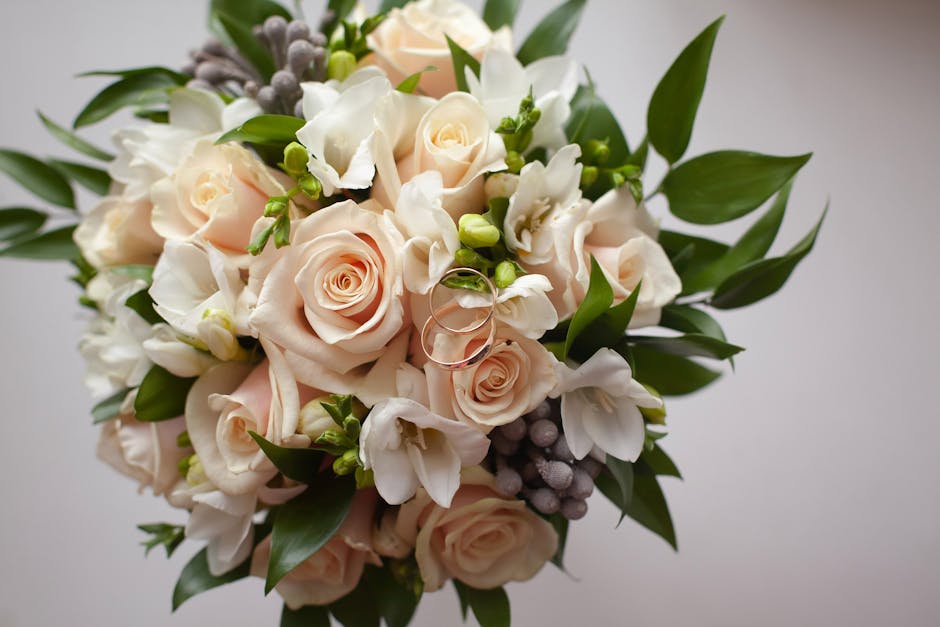
Why How to choose the right florist for your wedding across the UK Matters
The right florist does more than arrange pretty blooms. They help translate your ideas into something that works in the real world. That means understanding your venue, your colour palette, your schedule, and the practical limits of flowers themselves. A bouquet that looks effortless on Instagram may need refrigeration, careful transport, or last-minute stem replacement. Not exactly glamorous, but very real.
When you choose well, the flowers support the whole day. They pull together mismatched tables, lift a simple ceremony space, and make the photographs feel considered. When you choose badly, the effects are immediate: the wrong shades, drooping stems, missing buttonholes, or a supplier who simply doesn't answer messages. That last one is never fun. Never.
Across the UK, wedding planning also tends to involve different venue styles and logistics. A Chelsea townhouse, a barn in Yorkshire, a Scottish castle, and a beach ceremony in Cornwall all need different floral thinking. A florist who understands those differences will save you a lot of stress.
Expert summary: The best wedding florist is not necessarily the most expensive or the most visible on social media. It's the one who understands your venue, listens properly, works within your budget, and can deliver consistently on the day.
How How to choose the right florist for your wedding across the UK Works
Choosing a wedding florist is usually a mix of style matching, practical checks, and trust-building. You are not simply buying flowers; you are commissioning a service that has to perform on a fixed date, often under time pressure. That changes the way you should assess suppliers.
In practice, the process usually looks like this:
- Define your vision. Start with colour, mood, season, and the type of arrangements you want. Think bridal bouquet, bridesmaid bouquets, buttonholes, table centres, ceremony flowers, and any floral installations.
- Set a realistic budget. Decide what matters most. A large ceremony feature may matter more than elaborate table centrepieces, or vice versa.
- Research florists with wedding experience. Look for portfolios that show weddings similar in style, scale, and setting to yours.
- Check availability early. Good wedding florists can be booked months ahead, especially for popular weekends and peak wedding season.
- Ask about process and communication. You want to know how they handle design consultations, quotes, revisions, delivery, and setup.
- Compare proposals properly. Compare like for like. One quote may include setup, venue styling, and removal, while another may only cover delivery.
The best florists make things feel clear. You should come away knowing what is included, what might change, and what happens if the order needs adjusting. If everything feels vague, that is a sign to pause.
And yes, flowers are romantic. But they are also logistics. Slightly less poetic, but there you are.
Key Benefits and Practical Advantages
Picking the right wedding florist pays off in ways that go well beyond the bouquet itself. Here are the big advantages couples tend to feel most strongly.
- A clearer design direction: A good florist helps refine your ideas into a coherent floral scheme, so the day feels intentional rather than pieced together.
- Better use of budget: You can focus spending where it has the most visual impact, which matters if you're working with a fixed budget.
- Less stress in the final week: A reliable florist will communicate clearly, confirm timings, and keep the plan under control.
- Venue-appropriate flowers: Different spaces need different scale and structure. A florist who knows this can stop arrangements looking too small, too crowded, or just plain off.
- Stronger photography: Flowers shape colour, texture, and depth in wedding photos. They can make a simple room feel layered and warm.
There is also a quiet emotional benefit. When you see the bouquet, the ceremony arch, or the table styling come together exactly as discussed, the whole day tends to feel more grounded. That tiny moment of recognition matters.
Who This Is For and When It Makes Sense
This guide is for any couple planning a wedding in the UK who wants the flowers to look beautiful, arrive on time, and suit the venue without unnecessary drama. That includes couples with big floral dreams and couples who just want something elegant and straightforward.
It is especially useful if you are:
- planning a wedding in a busy city venue where delivery windows are tight
- getting married in a rural or remote area and need a florist who can travel
- trying to match flowers to a specific theme, season, or colour palette
- working to a strict budget and need to prioritise what matters most
- managing a multicultural, faith-based, or blended celebration with specific floral traditions
- booking late and need to know what is still realistically possible
If you're very early in the planning stage, this article will help you set your shortlist. If you're already comparing quotations, it should help you ask better questions. And if you've already booked a florist, it can still help you sense-check the process. Useful either way.
Step-by-Step Guidance
Here's a practical way to choose the right florist without getting overwhelmed. Keep it simple and steady.
1. Start with your wedding style
Before contacting anyone, decide what you want the flowers to feel like. Not just what they should look like, but the mood. Soft and romantic? Clean and modern? Seasonal and wild? Traditional and formal? This matters because different florists specialise in different aesthetics.
If you like airy, garden-style arrangements, a florist whose feed is full of tightly structured bouquets may not be the best fit. Likewise, if you want crisp, architectural design, a loose meadow style may not get you there.
2. Check real wedding portfolios, not just pretty single stems
Look for full wedding setups, not only isolated bouquet photos. A florist can make one bouquet look lovely in a picture. The harder test is whether they can make multiple pieces work together across a real venue. You want to see ceremony flowers, bridal bouquets, table arrangements, buttonholes, and any larger installations.
Notice the consistency. Do the flowers look fresh? Does the style stay coherent? Do the images show different settings and lighting conditions? That tells you more than a polished hero shot ever will.
3. Ask what is actually included in the quote
One quote may look cheaper because it excludes setup, transport, vases, candles, teardown, or venue coordination. Another may seem pricier but include all the fiddly bits. Compare the full scope, not just the headline number.
Ask whether the florist provides:
- consultation time
- design revisions
- delivery and setup
- collection after the event
- vessel hire or prop hire
- backup stems or substitutions if a flower is unavailable
4. Discuss seasonality honestly
Seasonal flowers often give better texture, better value, and a fresher feel. A florist should explain what is likely to be available around your date, and where substitutions may be needed. That is not a problem. It is normal.
For example, if you want a very specific bloom in early spring, a sensible florist will tell you if it is likely to be limited or expensive. That honesty is a good sign.
5. Consider venue knowledge and logistics
This is a big one. A florist who has worked at your venue, or similar venues, may understand loading bays, access restrictions, setup windows, and where arrangements will actually be seen. In some places, the floral plan has to fit into a narrow arrival window between the registrar, the caterers, and the chair move. Weddings love a timetable, don't they?
Ask practical questions:
- Can they deliver to multiple locations if the ceremony and reception are separate?
- Do they handle installation themselves or use venue staff?
- What happens if access is limited?
- How much lead time do they need on the day?
6. Evaluate communication style
A florist can have beautiful work and still be a poor fit if communication is patchy. You want someone who listens, asks sensible questions, and replies clearly. If your first exchange feels rushed, inconsistent, or oddly vague, trust your instincts. You'll be working with them for months, not minutes.
7. Compare more than price
Price matters. Of course it does. But you should compare style, reliability, inclusions, and confidence. A lower price may suit you perfectly if your plan is simple. But if you need ceremony structures, hanging pieces, and complex installation, cheap can become expensive quickly when details get missed.
When you find the right fit, it usually feels calm. Not flashy, just reassuring. That's a very good sign.
Expert Tips for Better Results
These are the small, practical things that often make the biggest difference.
- Bring reference images, but don't demand a copy. Show what you like about a design: the shape, the colour, the texture, the looseness. A good florist will translate the idea rather than duplicate it exactly.
- Choose one or two key "hero" moments. For example, you may want a standout bridal bouquet and ceremony focal point, while keeping tables simpler. That gives you more impact for your budget.
- Think in sections of the day. Ceremony flowers, drinks reception flowers, dining flowers, and evening flowers may all need different treatment.
- Ask about flower condition on the day. Some flowers open beautifully if prepared early; others are better as tighter buds. A professional florist will know the difference.
- Keep a little flexibility. You do not need to micromanage every stem. In our experience, the best results happen when couples give a clear brief but leave room for expert judgement.
A useful little trick: ask your florist what they would do if they were designing your wedding for a friend. That answer often tells you more than the polished sales pitch. You may learn quickly whether they are thinking creatively or just reciting catalogue language.
If you are choosing flowers in a colder month, ask how blooms will be protected during transport and setup. If your wedding is in summer, ask about hydration, shade, and any flowers that may be more delicate in heat. Those details are boring until suddenly they are not.
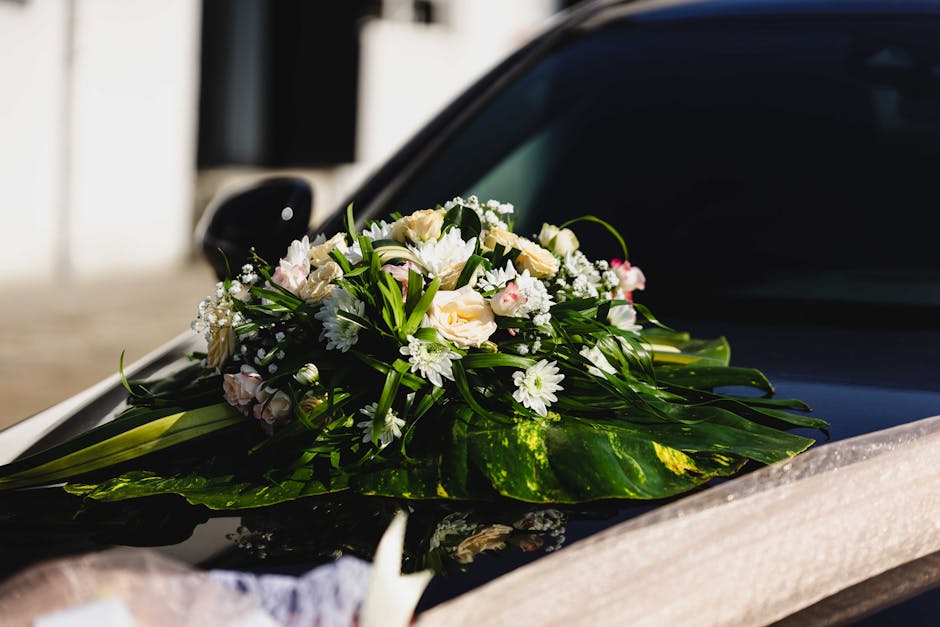
Common Mistakes to Avoid
A few common mistakes keep showing up, and they're easy to avoid once you know what to look for.
- Booking without checking wedding-specific experience. A florist may be wonderful with everyday bouquets but less confident with installation work, large-scale events, or venue schedules.
- Comparing quotes by total alone. One might include everything and another might not. Always read the scope properly.
- Ignoring venue rules. Some venues have restrictions on candles, hanging structures, or setup timing. Your florist should know this early.
- Overloading the brief. If you ask for six styles at once, the result can feel muddled. Better to choose a strong direction and build from there.
- Leaving the decision too late. The best wedding florists get booked early, particularly for spring and summer dates.
- Forgetting the practical details. Buttonholes, flower girl pieces, bouquets for the registrar table, and flowers for family members are easy to overlook until the last minute.
One more thing: don't assume that every flower you see on a mood board will be equally available across the UK on your date. Availability can vary with season, supply, and the actual weather. Annoying, but true.
Tools, Resources and Recommendations
You do not need fancy software to choose a florist well, but a few simple tools help a lot.
- A mood board: Collect images of bouquets, colour palettes, dresses, table settings, and venue details. Keep it focused. Ten strong references are better than forty random ones.
- A basic wedding schedule: Share ceremony time, venue access times, supplier arrival windows, and any split-location travel between venues.
- A floral priority list: Rank your must-haves, such as bridal bouquet, ceremony feature, buttonholes, table flowers, or aisle styling.
- A budget range: You do not need an exact penny-by-penny figure at the start, but a realistic range helps the florist design properly.
- A questions list: Save time by asking about availability, delivery, setup, substitutions, and collection in one go.
If you want to browse actual wedding flower styles on-site, the wedding flowers collection is a useful place to explore different bridal and venue-friendly ideas. You can also look at the bridal bouquet style, the bridesmaid bouquet option, the buttonholes range, and the table arrangements selection for a clearer sense of what a coordinated wedding order can look like.
For couples planning the full floral story, the wedding corsages and wedding gifts pages can also help when you're considering family members, wedding party details, or thank-you pieces. Not essential, but handy.
Law, Compliance, Standards, or Best Practice
Wedding floristry is not heavily regulated in the way some industries are, but there are still important standards and best practices to expect. A trustworthy florist should be clear about their business terms, payments, cancellations, substitutions, and delivery arrangements. Those details matter more than people sometimes realise, especially when a wedding date is fixed and there is no easy do-over.
Good practice typically includes:
- Clear written quotations: You should know what is included and what may change.
- Transparent substitution policy: If a flower is unavailable, the florist should explain how they choose alternatives.
- Reasonable delivery planning: Timing should suit venue access and the freshness of the flowers.
- Order confirmation: Final quantities, colours, and arrangements should be agreed before the wedding.
- Accessible customer service: You should be able to contact the business if plans change.
If you're comparing suppliers, it also helps to check policies such as terms and conditions, delivery, returns and refund, and guarantees. These pages are not the exciting bit, granted, but they tell you a lot about how the business handles real-world issues.
For larger weddings or recurring event needs, the corporate accounts page can also give a sense of how the business handles structured, repeat-style service. Different use case, same kind of operational discipline.
Options, Methods, or Comparison Table
Different couples need different types of florist support. Here's a simple comparison to help you decide what fits best.
| Florist type | Best for | Strengths | Watch out for |
|---|---|---|---|
| Bespoke wedding florist | Couples wanting fully tailored design and venue styling | Highly personalised, strong creative input, installation support | Usually needs more lead time and a larger budget |
| Retail florist with wedding services | Smaller weddings or simpler floral needs | Often flexible, practical, and easier to book | May have less experience with large installations |
| Online florist with wedding ranges | Couples who want clear product choices and structured ordering | Convenient, easy to compare, often good for specific items | Less one-to-one design input unless stated |
| Venue-recommended florist | Couples prioritising logistics and venue familiarity | May know access, rules, and timing already | Still worth checking style fit and pricing carefully |
A product-led option can work well if you know what you want and prefer a clearer ordering path. For example, the SI wedding collection, White Wonders wedding collection, and True Happiness wedding collection show how a coordinated range can simplify decisions. If you prefer a more romantic feel, the Pure Romance wedding collection or Everlasting Love wedding collection may be closer to the kind of mood you want.
Case Study or Real-World Example
Imagine a couple planning a spring wedding in London with a ceremony in one venue and dinner in another. They want a soft, elegant look, but they're also working with a fixed budget and a tight transfer window between locations.
At first, they shortlist florists based on Instagram alone. Lovely pictures, yes, but not much practical detail. Then they start asking better questions: Who handles delivery? Can the florist work around a one-hour setup slot? What flowers are likely to be in season? Which pieces matter most visually?
That changes everything.
They decide to prioritise the bridal bouquet, two bridesmaid bouquets, buttonholes, and table arrangements. Instead of trying to cover every surface, they focus on the pieces guests will actually notice most. The florist suggests a palette that fits the venue's pale walls and candlelight, and quietly swaps in blooms that hold better in spring temperatures. The result looks considered rather than crowded, and the room feels finished without trying too hard.
That's the real lesson: the right florist helps you make better decisions, not just prettier ones. And sometimes the best floral design is the one that breathes a little.
Practical Checklist
Use this checklist before you book.
- Have I defined my wedding style and colour palette?
- Do I know which floral items matter most to me?
- Have I set a realistic budget range?
- Have I checked the florist's wedding portfolio for relevant style?
- Have I confirmed availability for my date?
- Have I asked what the quote includes?
- Do I understand the substitution policy?
- Has the florist shown they understand my venue or event logistics?
- Am I clear on delivery, setup, and collection times?
- Do I feel comfortable with their communication style?
- Have I checked the business terms before paying a deposit?
If you can tick most of those boxes, you're in good shape. If a few answers are still fuzzy, ask again before committing. Better a slightly awkward email now than a messy surprise the week before the wedding. Honestly, that tiny bit of caution pays for itself.
Conclusion
Learning how to choose the right florist for your wedding across the UK is really about combining taste with judgement. Yes, you want flowers that look beautiful. But you also want a florist who listens properly, understands your venue, works within your budget, and delivers with calm professionalism on the day itself.
The best choice usually feels clear once you've compared a few options properly. You are looking for confidence, clarity, and a design style that feels like an extension of your wedding rather than a decorative afterthought. When that happens, the flowers don't just decorate the day; they help shape the memory of it.
Get a free quote today and see how much you can save.
And if you're still deciding, take your time. The right florist should make you feel a little lighter, not more frazzled. That's the one.
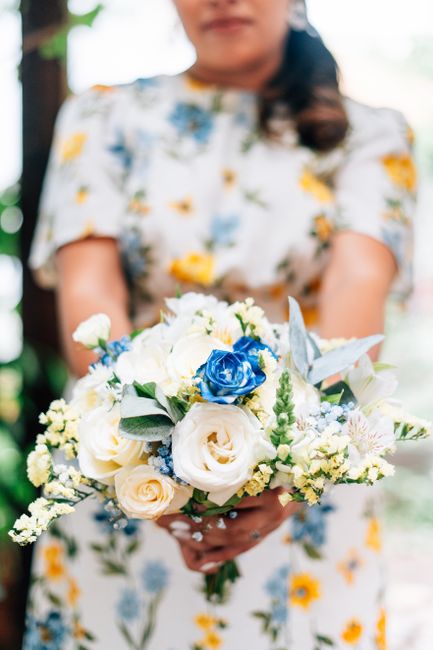
Frequently Asked Questions
How early should I book a wedding florist in the UK?
As early as possible, especially for peak spring and summer dates. Many couples start looking soon after booking the venue, because the best florists can fill up well in advance. If your wedding is smaller or off-peak, you may still find good options later, but earlier is safer.
What should I ask a florist before booking?
Ask about availability, style experience, what the quote includes, delivery and setup, substitution policy, and whether they have worked at your venue or a similar one. You should also ask how they handle changes if your guest count or schedule shifts.
How do I know if a florist is good value for money?
Compare more than the price. Look at what is included, how detailed the service is, whether setup is covered, and how closely their style matches your vision. Good value often means fewer headaches, better coordination, and stronger results on the day.
Can I use a local florist for a wedding anywhere in the UK?
Sometimes yes, but it depends on travel distance, delivery costs, and the florist's willingness to work remotely. For weddings far from the florist's base, check whether they are comfortable with the route, venue access, and setup timing. Logistics matter more than people expect.
What if I want very specific flowers that are out of season?
A good florist should explain the likely cost, availability, and any risks. Sometimes specific blooms can be sourced, but they may be more expensive or less reliable. In many cases, a seasonal alternative gives a similar look with better freshness and less stress.
Should my florist also set up the arrangements at the venue?
If your wedding includes table styling, ceremony features, or installations, setup is usually very helpful. It reduces pressure on you and helps ensure the flowers look right in the space. Always confirm whether setup is included or charged separately.
What's the difference between a wedding florist and a general florist?
A wedding florist typically focuses on event logistics, design consistency, and venue delivery. A general florist may be excellent with bouquets and gift flowers but not necessarily set up for installations, timelines, or complex event coordination. Some businesses do both very well, of course.
How can I keep wedding flower costs under control?
Focus your budget on the most visible areas, use seasonal flowers, simplify the number of different arrangements, and be open to guidance from the florist. You can often get a stronger overall result by doing a few things well rather than trying to cover everything.
What if my venue has strict access or timing rules?
Tell the florist as early as possible. A professional will build the schedule around the venue's requirements and may suggest simpler structures or earlier delivery if needed. This is especially important in city venues, historic buildings, and places with tight loading access.
How do I compare quotes from different florists fairly?
Ask each florist to outline the same core items: bouquet, bridesmaid bouquets, buttonholes, ceremony flowers, table flowers, delivery, setup, and collection. Then compare quality, service, and flexibility as well as price. A clean comparison prevents apples-vs-oranges confusion.
Is it worth choosing a florist who offers wedding collections?
Yes, if you like a clearer and more structured selection process. Wedding collections can simplify decision-making and help you keep a consistent look. They are particularly useful if you prefer a curated path rather than a fully bespoke design process.
What are the biggest red flags when choosing a wedding florist?
Vague pricing, slow communication, weak wedding-specific examples, no clear terms, and reluctance to discuss logistics are all warning signs. If the florist seems disorganised before the booking, that usually doesn't improve later. Trust your instincts there.