Step by step setup for a home funeral flower display
Posted on 26/10/2026
Setting up a home funeral flower display can feel oddly technical at a moment when you are already carrying a lot. You want it to look calm, respectful, and personal, but you may also be wondering where to begin, which flowers hold up best, and how to make everything feel natural rather than overdone. This guide walks you through the step by step setup for a home funeral flower display in a clear, practical way, so you can create something beautiful without unnecessary stress.
Whether you are arranging flowers for a wake at home, a small family gathering, or simply preparing a quiet corner for remembrance, the right setup can make the room feel softer and more grounded. And truth be told, a few thoughtful choices go a long way.
You do not need a florist studio in your living room. You just need a plan, a little breathing space, and a sensible sequence. Let's get into it.
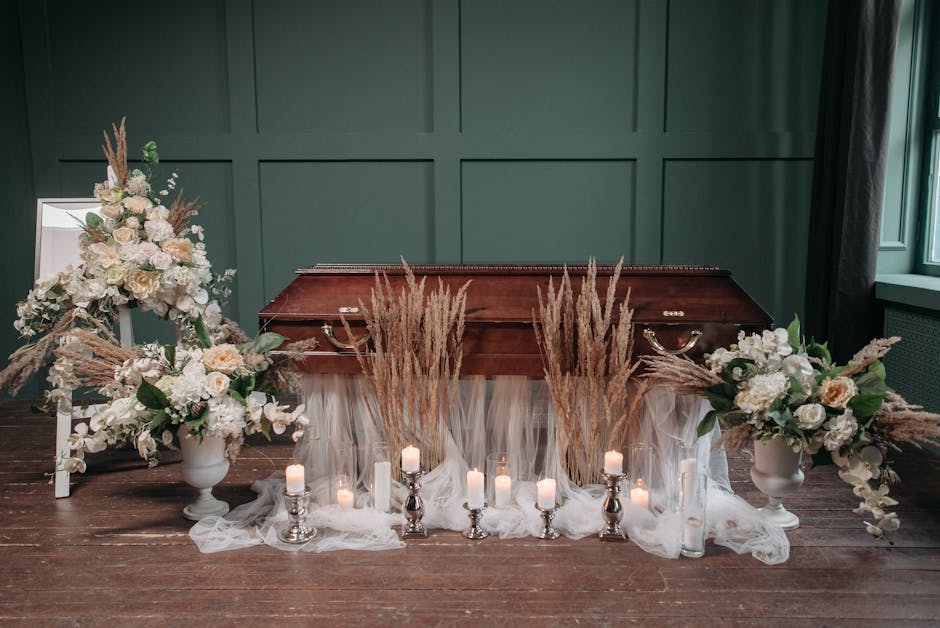
Table of Contents
- Why this setup matters
- How the display works in practice
- Key benefits and practical advantages
- Who it is for and when it makes sense
- Step-by-step guidance
- Expert tips for better results
- Common mistakes to avoid
- Tools, resources and recommendations
- Law, compliance, standards and best practice
- Options, methods and comparison
- Case study or real-world example
- Practical checklist
- Conclusion
- Frequently asked questions
Why Step by step setup for a home funeral flower display Matters
A home funeral flower display is more than decoration. It frames the space where people gather, reflect, speak quietly, and say goodbye. Flowers can help a room feel less clinical and more human, which matters when emotions are running high and everyone is trying to hold themselves together a bit.
At home, you do not have the built-in structure of a chapel or funeral venue, so the flower arrangement becomes part of the room's shape. It can direct attention to a portrait, a memory table, a coffin or casket if one is present, or simply a central area where people place cards and tributes. The display also sets the tone. Soft whites, greens, blush tones, and muted seasonal flowers often create a gentle, reassuring atmosphere. Brighter colours can feel more celebratory, depending on the person being remembered.
It also matters because a good setup reduces stress on the day. If the flowers are planned well, they are less likely to droop, spill water, block sightlines, or crowd a room that is already full of people. That practical side gets overlooked quite often. In our experience, families are relieved when the display quietly works in the background rather than demanding attention.
And there is another point worth saying plainly: a well-set home flower display can help people feel they have done something meaningful. Something visible. Something kind. Sometimes that matters more than anything else.
How Step by step setup for a home funeral flower display Works
The process is simple in principle. You choose the location, decide the style, prepare the containers or floral foam if needed, arrange the flowers in layers, and then balance the display so it looks calm from every angle. The trick is not making it complicated.
Most home funeral displays follow one of three formats:
- A central tribute display around a photograph, urn, or memory table.
- A framing arrangement placed beside a coffin, casket, or tribute area.
- A room-softening display with smaller arrangements spread through the space.
Fresh flowers are usually the preferred choice because they bring scent, texture, and life to the room. Roses, lilies, chrysanthemums, carnations, alstroemeria, and mixed sympathy flowers are common because they read well in a solemn setting and tend to hold shape reliably. If you want a specific tribute style, you can also consider funeral arrangements or sympathy flowers that already suit this kind of occasion.
The physical setup usually works best if you think in layers: base greenery, main blooms, supporting flowers, and then small finishing details. This gives the display depth without making it cluttered. A flat arrangement can look tired. A layered one feels considered, even if you put it together at a fairly ordinary kitchen table with the kettle on and a vase rinsing in the sink. That is often how it happens, to be fair.
Key Benefits and Practical Advantages
A home funeral flower display brings emotional and practical benefits together. That combination is why it works so well in a domestic setting.
- It personalises the space. A home ceremony can feel intimate, and flowers make that intimacy visible.
- It softens the atmosphere. Natural textures help a room feel less stark and more comforting.
- It gives structure. The display helps define where guests look, pause, or leave tributes.
- It can reflect personality. Favourite colours, seasonal blooms, and symbolic flowers make the tribute feel like the person.
- It is flexible. You can do something modest or more elaborate depending on room size and budget.
- It supports other memorial elements. Flowers work well with candles, photographs, letters, memory books, and keepsakes.
Another overlooked advantage is scale. In a smaller home, too many flowers can overwhelm the room. But a well-chosen display can do the opposite: it can make the room feel more spacious by giving it a clear focal point. That is a neat trick, actually.
If you are trying to balance budget and impact, choosing a few strong arrangements rather than lots of tiny ones often gives a better result. For example, one larger spray and two smaller sympathetic pieces can look more coherent than six random bouquets. A useful place to start is browsing the wider tributes collection or selecting a focused style such as wreaths or sprays.
Who This Is For and When It Makes Sense
This setup makes sense for anyone planning a funeral, wake, or memorial gathering at home. That might include a close family member arranging everything themselves, a friend helping out quietly, or a larger family who wants the room to feel dignified and personal without booking a venue.
It is especially useful when:
- the gathering is small and intimate
- the home is the main place of farewell
- you want a more personal alternative to a formal floral package
- you need flowers that suit a photo, casket, urn, or memory table
- you are working within a limited budget and want the most impact per stem
It can also suit families who want to blend tradition with something more relaxed. A traditional wreath beside a framed photograph, for example, can feel respectful without looking rigid. Or perhaps a soft basket arrangement near the entrance and a larger spray near the main tribute area. Simple. Thoughtful. Enough.
Not every home is suitable for a large display, though. If the room is small, humid, or crowded, scale matters more than abundance. In a compact London terrace, for example, too much floral volume can make a room feel cramped very quickly. In that case, a few meaningful pieces will serve you far better than a full floral spread.
Step-by-Step Guidance
Here is the practical part. If you want a calm, elegant result, work through the display in stages rather than trying to do everything at once.
1. Choose the space first
Pick the room or area where people will naturally gather. This could be the sitting room, dining room, hallway, or a corner of the house with good light and enough breathing space. Look for a place that feels steady rather than busy. Avoid doorways if people will be moving through regularly, and avoid radiators or direct sunlight if the flowers are fresh.
Ask yourself: where will the eye settle first? That is usually where your main floral focal point should go.
2. Decide the display style
Choose whether you want a central tribute, a side arrangement, or a room-wide softening effect. If the deceased had a favourite flower or colour, use that as the anchor. If not, white, cream, pale pink, green, and mixed soft tones are the safest starting point for a peaceful setting.
For something classic and understated, white roses, lilies, and chrysanthemums work beautifully. If you want warmer sentiment, carnations and soft mixed blooms can feel less formal. A meaningful tribute can also be built from a specific memorial piece such as an in loving memory wreath or an eternal light wreath.
3. Measure the surface area
This sounds a bit boring, but it saves a lot of awkwardness. A display that looks lovely in a shop can feel oversized in a hallway table or too tiny beside a large mantelpiece. Measure the width and depth of the space, then allow enough room for cards, candles, framed photographs, or a memory book.
A good rule is to leave the display balanced, not packed. If people have to shuffle things around to place a card, the setup is too tight.
4. Gather the right flowers and containers
Fresh flowers, a clean vase or floral foam base, scissors or secateurs, water, a cloth, and a stable table are the basics. If you are using a sympathy basket, wreath, or spray, you may not need containers at all. The arrangement itself does the work.
For a home display, it helps to choose flowers with decent staying power. Many families like roses, lilies, carnations, chrysanthemums, alstroemeria, and mixed sympathy stems because they hold structure well and are easy to read from across a room. If you want a ready-made route, the sympathy flowers range gives you a practical starting point.
5. Prepare the base
If you are arranging flowers yourself, start with a stable base. Fill vases with clean water. If using floral foam, soak it properly so it is evenly wet, then place it in a waterproof container. Make sure the base cannot wobble or tip. That part matters more than it sounds.
For memorial flowers at home, small accidents are the enemy of calm. Nobody wants a vase spilling onto a sideboard ten minutes before guests arrive. Keep towels nearby. Seriously, keep the towels nearby.
6. Build the shape from the centre outward
Start with the main flowers first. Place your focal blooms in the middle or slightly off-centre, depending on the shape you want. Then add secondary flowers around them to create volume. Finally, use greenery or smaller stems to soften the edges.
Think in terms of shape, not just flowers. Rounded displays feel gentle and traditional. Long, low arrangements feel more modern and work well under a photograph or along a table edge. A wreath creates a closed circle, which can feel symbolic and complete. A spray has a more directional shape and is often used where one side needs emphasis.
7. Add personal details carefully
This is where the display becomes truly memorable. A ribbon, a handwritten card, a favourite colour accent, or a small keepsake can make the arrangement feel personal. Do not overdo it. One or two meaningful details are usually enough.
If the person loved gardening, you might include a few natural textures and seasonal blooms. If they preferred elegant simplicity, keep the arrangement restrained. Let the flowers speak quietly. They do not need to shout.
8. Step back and check balance
View the display from the doorway, from seating height, and from the opposite side of the room. Does it block the photograph? Does it crowd the tribute table? Does one side look heavy while the other looks thin? Small adjustments at this point make a big difference.
This is the moment when most displays either settle nicely or suddenly feel awkward. A quick tweak of one stem can fix the whole thing. Slightly annoying, yes, but also satisfying.
9. Add water and protect the surroundings
Make sure all arrangements have enough water for the day. Use coasters, protective mats, or trays under vases if the surface is delicate. Fresh flowers can leave moisture behind, and a polished sideboard or old wooden table will show it quickly.
For longer gatherings, top up the water discreetly and remove any drooping petals as the day goes on. A little maintenance keeps the display looking cared for rather than tired.
10. Finish with a quiet final check
At the end, look at the room as a whole. The flowers should feel like part of the space, not like a separate event. The tribute area should invite people to pause. That is the real goal.
Expert Tips for Better Results
If you want a display that feels polished without looking staged, a few small choices help a lot.
- Use odd numbers where possible. Three or five smaller accents often look more natural than two or four.
- Stick to one main visual idea. That might be soft whites, garden greens, or a favourite colour theme.
- Mix textures, not just colours. Combine fuller blooms with airy stems for depth.
- Mind the scent. Strong fragrance can be overwhelming in a small room, especially for guests who are sensitive.
- Choose flower types that last. If the display needs to hold for several hours, sturdier stems are safer.
- Keep the room uncluttered. The flowers should have visual space around them.
One useful trick is to create a "hero" arrangement and then support it with smaller, quieter pieces. That way the display feels complete without becoming crowded. A central sympathy posy or compassion posy can work very well as a companion piece beside a larger tribute.
If you are ordering from a florist, be specific about the setting. Mention whether the flowers are for a home wake, a private family farewell, or a room with limited space. That little bit of context helps the florist suggest the right shape and scale. In a real-world sense, it saves everyone from guessing. And guessing is rarely a good plan when emotions are high.
Common Mistakes to Avoid
Even a well-meaning setup can go off-track if a few basic points are missed. These are the mistakes we see most often.
- Overcrowding the room. Too many arrangements can make the space feel smaller and less peaceful.
- Ignoring scale. A tiny vase will look lost on a large table, while a huge spray can overwhelm a small room.
- Using fragile flowers only. Some blooms wilt quickly, which is inconvenient if the gathering runs long.
- Forgetting stability. Wobbly vases and loose foam are a spill waiting to happen.
- Blocking tributes or photos. The flowers should frame the memorial, not hide it.
- Choosing clashing colours. Bright tones can work, but they need control.
- Leaving no room for cards or candles. People will want to place things. Give them space.
A slightly less obvious mistake is trying to make the arrangement too symmetrical. Real flowers do not need to stand to attention. A little natural looseness can be more beautiful, and more human too.
And yes, sometimes the "quick fix" is not quick at all. That last-minute bunch from the corner shop can work in a pinch, but it usually benefits from being handled gently and given structure. Otherwise it can look like, well, a bunch of flowers that had a rough commute.
Tools, Resources and Recommendations
You do not need specialist equipment for a simple home funeral flower display, but the right tools make the job calmer and cleaner.
| Item | Why it helps | Best for |
|---|---|---|
| Clean vase or container | Provides a stable base and keeps flowers hydrated | Loose bouquets and table displays |
| Floral foam | Helps shape structured arrangements | Sprays, tributes and fixed displays |
| Sharp scissors or secateurs | Makes cleaner cuts and helps stems last longer | Fresh flower preparation |
| Protective tray or mat | Protects surfaces from moisture | Wood, polished tables, mantelpieces |
| Ribbon or card | Adds a personal finishing touch | Tributes and memory displays |
On the flower side, you may want to consider ready-made sympathy pieces if you are short on time. A wreath, spray, basket, or posy can be easier than building everything from scratch, especially on the day before the gathering. For broader inspiration, baskets and posies are practical for smaller memorial areas, while letter tributes or tributes work well if the family wants a stronger focal message.
If you are not sure what will suit the room, start with one larger piece and two smaller supporting arrangements. That formula is boring in the best possible way. Reliable. Calm. Hard to get wrong.
Law, Compliance, Standards and Best Practice
For most home funeral flower displays, there is no complicated legal process attached to the flowers themselves. Still, good practice matters. In the UK, the main considerations are practical and respectful rather than regulatory: fire safety, safe placement, access for guests, and making sure the display does not obstruct movement or emergency exits.
If you are using candles alongside flowers, be especially careful. Keep open flame away from petals, ribbons, dried foliage, and anything that could catch easily. A home memorial often has a lot going on emotionally, and it only takes one distracted moment to cause a problem. Better to use LED candles if you are unsure.
Also consider allergies and scent sensitivity. Lilies, hyacinths, and heavily fragrant blooms can be lovely, but they may be too strong in a small room. If guests are elderly, unwell, or likely to stay a long time, less fragrance is often the kinder choice.
If the flowers are being delivered, check timing carefully. For example, a same-day or next-day service can be useful if plans change quickly. When working with a local florist, clear instructions matter more than elaborate language. A brief note about where the tribute will be placed, how large the room is, and whether the display needs to last several hours usually helps more than anything else. For delivery details, you can review the shop's delivery information and related ordering guidance such as returns and refunds or terms and conditions if you want to understand expectations before ordering.
Best practice is simple: keep the display stable, respectful, proportionate, and easy for guests to engage with. That is really the heart of it.
Options, Methods, or Comparison Table
There is more than one way to create a home funeral flower display. The right choice depends on space, timing, and how formal you want the setting to feel.
| Method | Best for | Strengths | Possible drawbacks |
|---|---|---|---|
| DIY bouquet display | Small homes, modest budgets | Flexible, personal, affordable | Needs more time and flower care |
| Ready-made tribute spray | Formal focal point near a photo or casket | Structured, elegant, easy to place | Less custom in the moment |
| Wreath or circular tribute | Symbolic memorial displays | Strong meaning, neat presentation | Can dominate a very small room |
| Basket or posy arrangement | Smaller spaces and side tables | Compact, tidy, easy to move | Less dramatic than larger pieces |
| Mixed arrangement set | Larger homes or multi-table layouts | Balanced, layered, more visual depth | Needs more planning to avoid clutter |
If you are leaning toward a ready-made route, a sympathy-focused piece can take a lot of pressure off the day. For example, a balanced option from the sprays range or a thoughtful composition from wreaths can be easier than trying to coordinate several separate bouquets. That said, a DIY arrangement can feel deeply personal when time allows.
Case Study or Real-World Example
Here is a realistic example from a typical home setup. A family was preparing a small farewell in a terraced house in SW6. The living room was not large, and the tribute area needed to sit beside a framed photograph, a candle, and a memory book without making the room feel cramped.
Instead of using lots of separate bouquets, they chose one medium-sized wreath as the main focal point, a low posy on the side table, and a small spray near the entrance. The flowers were mostly white and soft green, with a few pale pink accents because that was the person's favourite colour. The result was calm and uncluttered. People could still move freely, place cards, and stand comfortably while talking.
What made it work was not expensive flowers or a complicated design. It was proportion. The room had space to breathe. The arrangements supported the atmosphere instead of taking it over. A family member later said the display "felt like her" - which, honestly, is the whole point.
That kind of setup also holds up well if the gathering runs longer than expected. Someone can quietly refresh the water, straighten a ribbon, or remove a tired bloom without disturbing the room. Small detail, big difference.
Practical Checklist
Use this checklist to keep the setup simple and under control.
- Choose the main room or tribute area
- Measure the available surface space
- Decide on a colour theme or flower style
- Select one main focal arrangement
- Add one or two supporting pieces only if needed
- Prepare clean containers, foam, water, and tools
- Keep flowers away from heat and direct sunlight
- Leave room for cards, candles, and photographs
- Check that all arrangements are stable
- Step back and view the whole room before guests arrive
If you are short on time, aim for the essentials: one strong tribute, a clean surface, and enough room to keep the display elegant. That is usually enough. No need to make it a production.
Get a free quote today and see how much you can save.
Conclusion
The best step by step setup for a home funeral flower display is the one that feels calm, respectful, and true to the person being remembered. You do not need perfection. You need thoughtfulness, good proportions, and a layout that helps people feel at ease in a difficult moment.
Start with the space, choose a clear focal point, keep the arrangements stable, and let the flowers support the atmosphere rather than compete with it. If you keep the setup simple and meaningful, it will do its quiet job beautifully.
And sometimes, in the middle of a hard day, that quiet beauty is more than enough.
Frequently Asked Questions
What flowers are best for a home funeral flower display?
White roses, lilies, chrysanthemums, carnations, alstroemeria, and soft mixed sympathy flowers are all strong choices. They usually hold shape well and create a respectful look without feeling too busy.
How many flower arrangements do I need for a home memorial?
It depends on the room size, but one main arrangement plus one or two smaller supporting pieces is often enough. In a smaller home, even one carefully placed tribute can look complete.
Can I make the display myself instead of ordering from a florist?
Yes, you can. A DIY setup works well if you have time, fresh flowers, and a steady surface to work on. If the day is moving quickly, a ready-made wreath, spray, or basket can be easier.
How long before the service should I set up the flowers?
Fresh flower displays are usually best arranged as close to the event as practical, ideally the day before or the morning of the gathering. That helps the flowers stay fresh and looking their best.
What is the difference between a wreath and a spray?
A wreath is circular and often carries symbolic meaning linked to continuity and remembrance. A spray is a more directional arrangement, often used to frame a table, photograph, or coffin area.
How do I stop the flowers from looking too formal?
Use softer colours, natural shapes, and a few personal details. A favourite flower or subtle ribbon can make the display feel more intimate and less rigid.
What should I avoid in a small room?
Avoid oversized arrangements, heavy fragrance, and too many separate pieces. In a compact room, fewer flowers with clear structure usually look better and feel more comfortable for guests.
Can funeral flowers be delivered for a home display?
Yes, many florists offer delivery for sympathy and funeral pieces. Check timing carefully and give clear instructions about the room size and the type of tribute you need.
Are candles safe to use near funeral flowers at home?
Only if they are placed very carefully and kept away from petals, ribbon, and dry foliage. LED candles are often the safer, simpler choice, especially in a crowded room.
How much should I spend on a home funeral flower display?
There is no single right amount. Some families prefer a modest tribute, while others choose a larger display for a central room. The best approach is to match the flowers to the space and the role they need to play.
What if I want something more personal than standard funeral flowers?
Look for custom tributes, personalised wreaths, or arrangements that reflect a hobby, favourite colour, faith symbol, or family nickname. Personal details can be small and still feel very meaningful.
Do home funeral flower displays need special care during the day?
Yes, a little. Top up water if needed, keep the room cool if possible, and remove any wilted petals or stems. A quick check every few hours is usually enough to keep everything looking fresh.