Discover the Unknown: 7 Fascinating Tulip Facts
Posted on 15/08/2025
Discover the Unknown: 7 Fascinating Tulip Facts
Tulips are more than just beautiful blooms that paint the world with color every spring. These iconic flowers carry a rich history, a tapestry of cultural significance, and surprising botanical secrets that may reshape your perspective on the simple tulip. Join us in this deep dive and discover the unknown with seven captivating tulip facts you probably never knew!

1. Tulips Originated Far from Holland
When tulips are mentioned, the picturesque fields of the Netherlands likely spring to mind. However, tulips did not originate in Holland. Instead, their roots can be traced much further east, to the mountainous regions of Central Asia, particularly what is now Kazakhstan, Uzbekistan, and the Tien Shan mountain region.
Wild species of tulips thrived in hot, dry summers and cold, snowy winters of these regions, perfectly adapted to such climates. The flowers were eventually brought to Turkey, where they became not just plants, but important cultural symbols of the Ottoman Empire.
- Tulips appeared in Turkish art and poetry long before they captured European imaginations.
- The word "tulip" comes from the Persian word "delband," meaning turban--a nod to the flower's turban-like shape.
- It was not until the 16th century that tulips arrived in Europe, and later, the Netherlands.
Tulip Fact Takeaway:
Holland may be the home of the modern tulip trade, but Central Asia is where the adventure began.
2. The Dutch Tulip Mania: The First Economic Bubble
Perhaps one of the most intriguing facts about tulips is their role in financial history. The 17th-century Dutch "Tulip Mania" is widely regarded as the world's first recorded speculative bubble.
Between 1634 and 1637, demand for exotic tulip bulbs--especially rare and spectacularly colored varieties--soared. Prices skyrocketed to extraordinary levels, with some bulbs rumored to be worth the equivalent of a house. When the bubble burst in 1637, fortunes were lost overnight, and the episode became a cautionary tale still studied in economics.
- Tulip bulbs were even used as a form of currency and as wedding dowries during the height of Tulip Mania.
- The mania was fueled by new, astonishing tulip colors and unique petal patterns caused by a virus that infected the bulbs, making them even more desirable.
- The crash left many speculators bankrupt, but the tulip's mystique only grew.
Discover the Unknown:
Tulip Mania is considered the original "economic bubble" and continues to fascinate historians and economists alike.
3. Tulip Colors Carry Deep Symbolism
Tulips are celebrated for their vibrant spectrum of colors--from passionate reds to delicate pastels and deep, mysterious purples. But did you know that different tulip colors convey powerful messages?
- Red tulips: Declare true love and passion.
- Yellow tulips: Once signified hopeless love, but now represent cheerful thoughts, happiness, and hope.
- White tulips: Express respect, forgiveness, purity, and new beginnings.
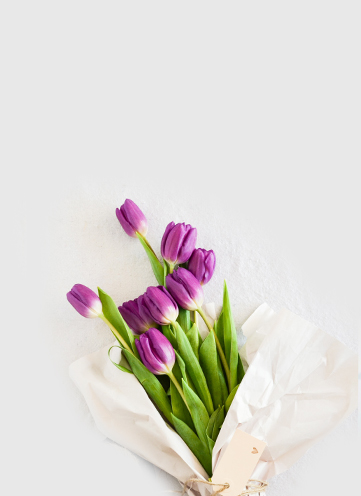
- Purple tulips: Signify royalty, nobility, and power.
- Black tulips: Rare and mysterious, symbolize intrigue and elegance.
- Pink tulips: Represent affection, caring, and good wishes.
It's no wonder tulips are popular choices for weddings, Mother's Day bouquets, and various celebrations in many cultures worldwide.
Flower Fact Highlight:
Each tulip color has a story and symbolism, perfect for expressing your feelings without saying a word.
4. Tulips Are Surprisingly Edible
Among the less-known facts about tulips is that their petals and bulbs can be eaten in certain circumstances. During World War II, when the Dutch suffered from extreme famine, people ate cooked tulip bulbs and petals to survive.
While not a culinary staple by any means, the taste of tulip petals is described as mildly sweet or starchy, depending on the variety. Some creative chefs today use them as decorative garnishes or as ingredients in salads and desserts. However, there is a critical caution to remember--not all tulip varieties are safe to eat; some can cause stomach upset or be toxic.
- If you want to try tulip petals, ensure they are pesticide-free and identified as non-toxic.
- The bulbs can be bitter and are generally not recommended except in emergencies.
Edible Discovery:
Tulips hold an unexpected place in history as survival food, but it's best to admire them for their beauty unless you're an expert!
5. Tulips Are Environmental Indicators
Did you know that tulips act as natures' environmental barometers? These fascinating spring flowers are sensitive to temperature and sunlight, which directly influences their blooming patterns.
- Cool weather: Delays blooming but extends flower longevity.
- Warm weather: Accelerates blooming, shortening the flower display.
- Unusual seasonal warmth: Tulips may emerge and fade quickly, signaling climate changes.
As a result, tulip festivals and commercial growers closely monitor weather patterns to time their displays for the best impact. In some regions, changes in tulip blooming times have become indicators of climate change.
Hidden Nature Fact:
Tulips don't just enchant the eye--they reveal clues about our environment every spring.
6. Rare and Record-Breaking Tulips
The world of tulips is full of variety--more than 3,000 registered varieties exist! Among these, some tulips stand out for their rarity, history, or record-breaking stature.
- Semper Augustus: The most famous tulip during Tulip Mania, coveted for its unique red-and-white "flame" pattern. Only a handful ever existed.
- Black tulip: Botanists spent centuries searching for a true black tulip. Today's "Queen of Night" is perhaps the closest with its deep, velvety purple-black petals.
- The tallest tulip: Some Darwin hybrid tulips can reach heights of up to 30 inches (75 cm).
- Most expensive tulip bulb ever sold: During Tulip Mania, a single "Semper Augustus" bulb reportedly sold for the price of a luxury house.
Discover the unknown varieties and search for rare finds: Many gardening enthusiasts and collectors dedicate their lives to cultivating unique and elusive tulip breeds.
Fun Tulip Fact:
With thousands of varieties, the quest for the next rare tulip never ends!
7. Tulips Inspire Festivals and Art Around the World
Beyond their stunning natural beauty, tulips have inspired festivals, art, and literature across continents. Each spring, the world bursts into celebration as tulips bloom from the United States to Japan, and, of course, the Netherlands.
- Keukenhof Gardens (Netherlands): Often called the "Garden of Europe", over 7 million bulbs bloom each spring, drawing visitors globally for the ultimate tulip experience.
- Istanbul Tulip Festival (Turkey): Honors tulip's importance in Turkish heritage, featuring vibrant displays in parks and public spaces.
- Canadian Tulip Festival (Ottawa): A gift of bulbs from the Dutch Royal Family to Canada after World War II started this annual tradition, symbolizing friendship and peace.
- Skagit Valley Tulip Festival (USA): Washington State's annual event celebrates both the agricultural and aesthetic value of tulips.
Tulips adorn ceramics, paintings, jewelry, and poetry. They're favored motifs in Ottoman and Dutch art, representing beauty, impermanence, and the fleeting joys of life.
Global Recognition:
Tulips are more than flowers--they are global cultural icons, celebrated with grandeur and creativity every year.
Final Thoughts: Why Tulips Are So Fascinating
From their Central Asian origins to their role in world economics, and their vibrant presence in art and festivals, tulips have amazed and inspired people for centuries. These seven fascinating tulip facts reveal how much there is to learn about a flower that blooms for only a few weeks each year--yet leaves an everlasting impression.
- They are symbols of love, hope, and renewal in cultures across the globe.
- Their colors and varieties are nearly endless, offering a perfect flower for every emotion and occasion.
- Their story is woven into history, art, and the environment, making them a mirror to our changing world.
Whether you encounter them in a vase, a painting, or vast tulip fields, remember these hidden tales and share them with others. Unlock the mysteries behind the everyday tulip and discover how much depth, surprise, and magic lies behind their petals.
Are you ready to explore the world of tulips even further?
Stay curious and reconnect with nature--there's always something new to discover, especially when it comes to these breathtaking flowers!
Don't forget to share this article with fellow tulip lovers and keep exploring the unknown facts about tulips!
For more in-depth guides and floral discoveries, bookmark our site and dive into the colors and secrets of the plant kingdom.
Latest Posts
Your Guide to Council Rules for Planting and Selling Flowers in [AREA]
Enhance Your Garden with the Top 12 Long-Lasting Flowers
Discover the Unknown: 7 Fascinating Tulip Facts